Screw Compresor Bearing Failure
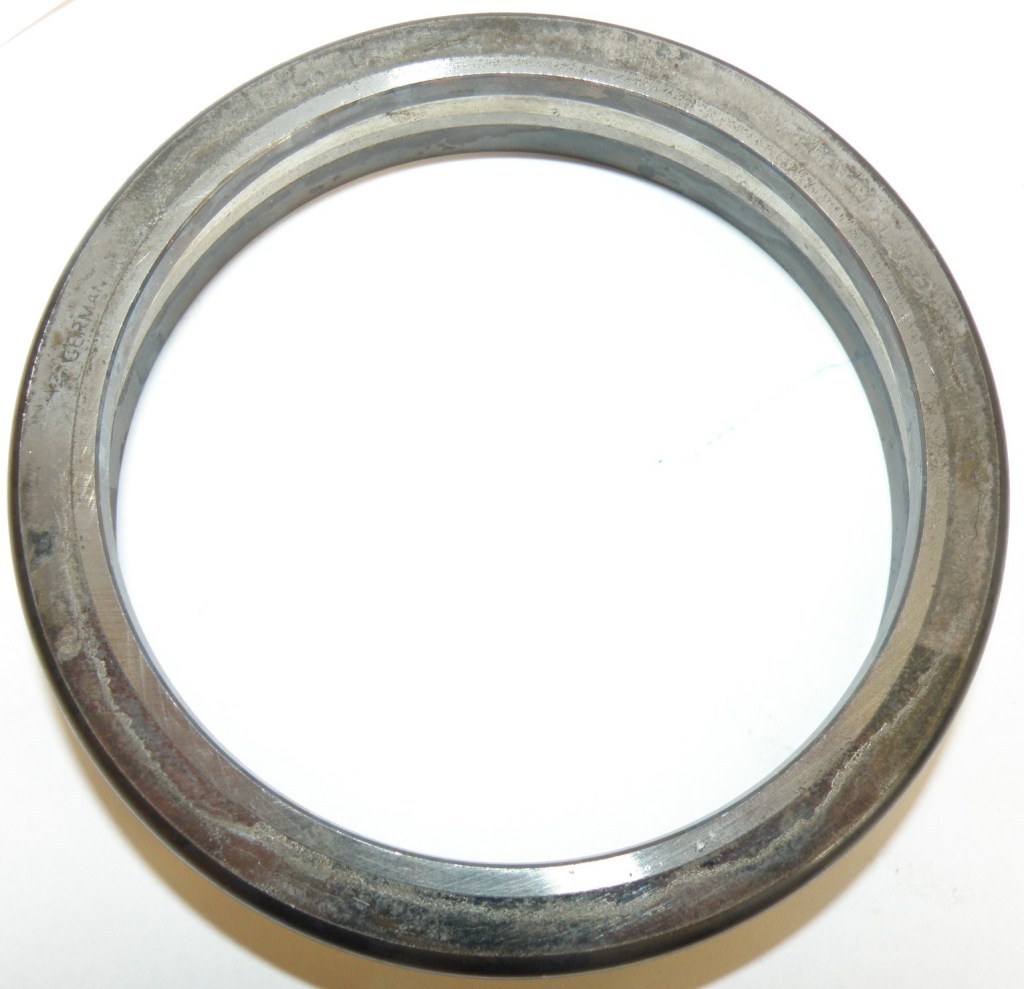
Applying Loctite between the inner ring and locknut is dangerous in this context because that interface is part of a precision axial location and clamping system.
Instead of clean metal-to-metal face contact, you introduced an intermediate material that can:
- prevent full uniform seating
- create uneven axial force distribution
- distort effective clamping condition
- alter internal bearing clearance / preload condition
- fracture during service
- generate hard debris
- allow those particles to enter the bearing
So the Loctite did two bad things at the same time:
A) Loading problem
It created abnormal contact mechanics:
- uneven seating
- excessive or non-uniform axial loading
- edge loading
- more sliding on balls
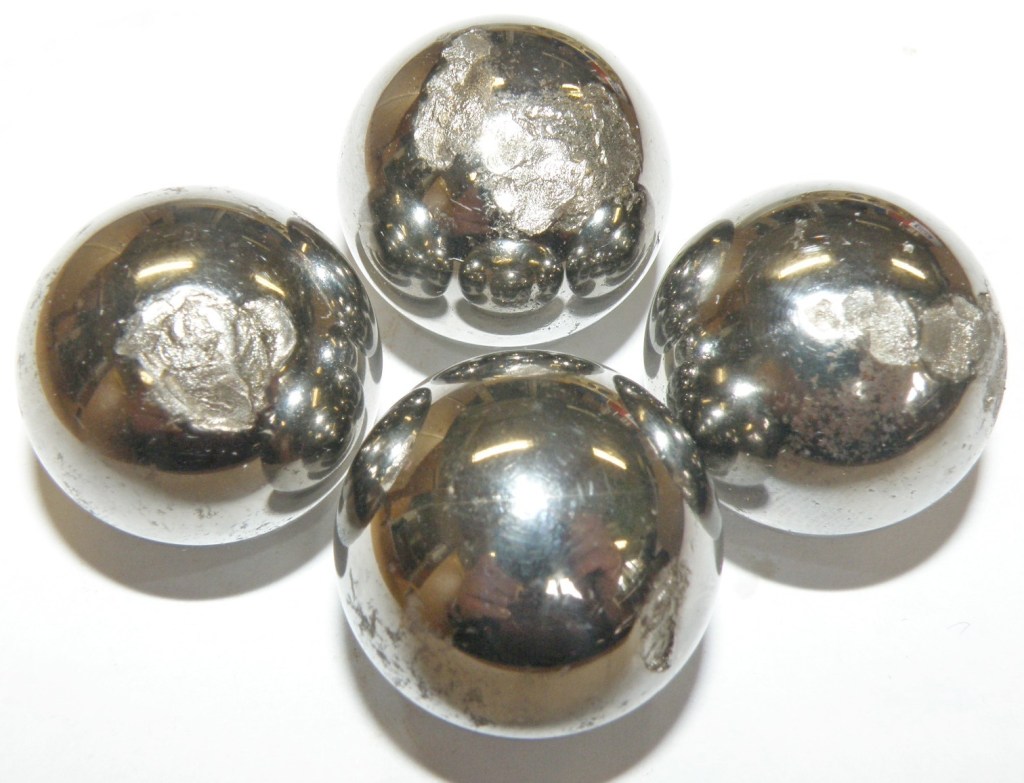
- mirror-like ball damage
B) Contamination problem
Detached Loctite fragments became solid contaminants:
- overrolled by balls
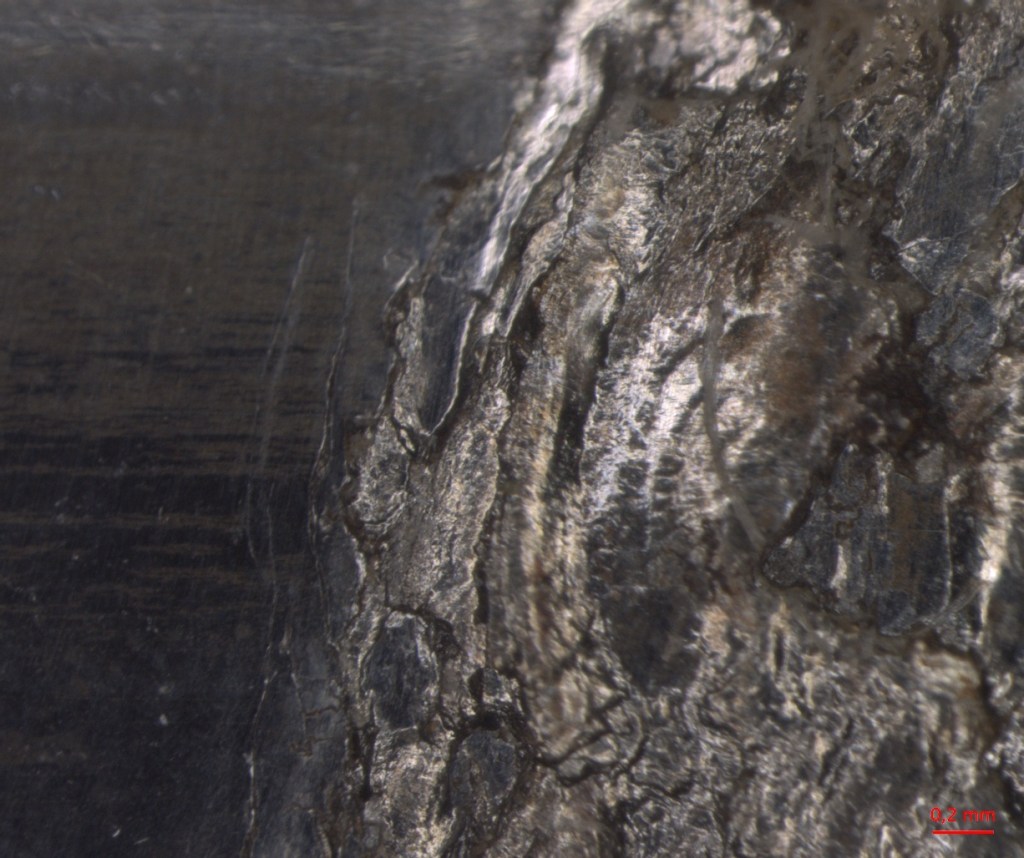
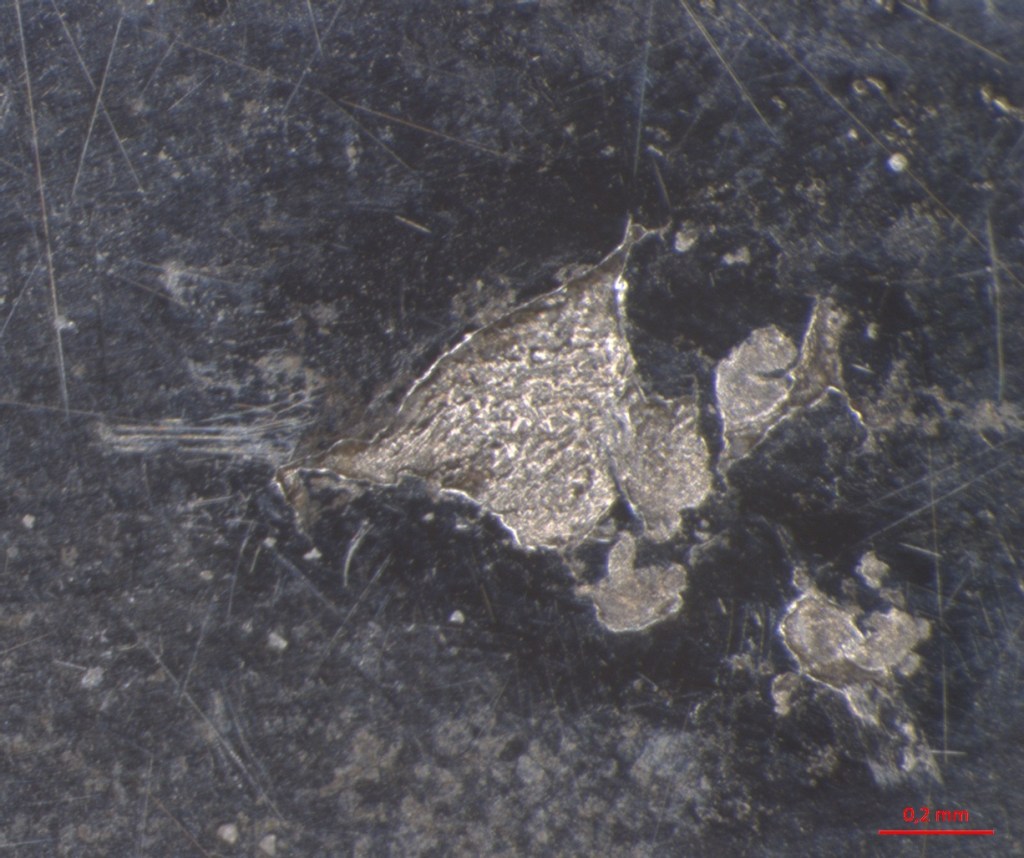
- produced indentations in raceways and rolling elements
- accelerated cage pocket wear
That is exactly why this failure is best described as a combined ISO 15243 failure involving both debris indentations and wear mechanisms.
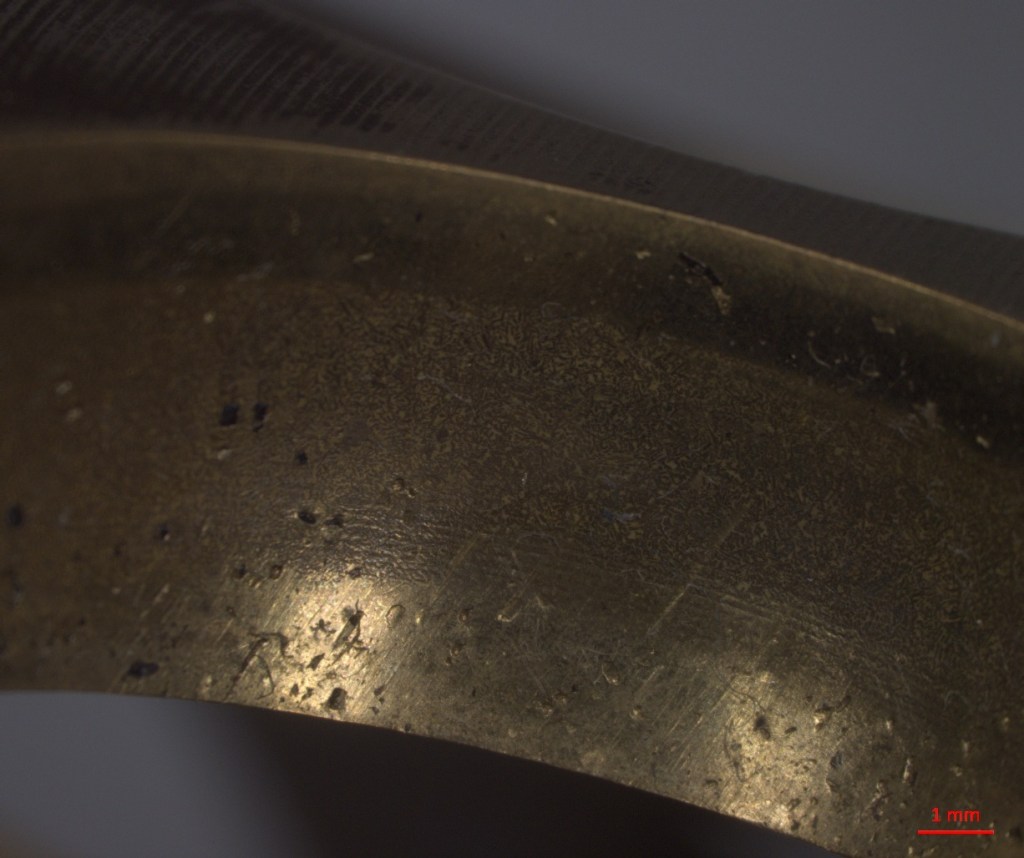
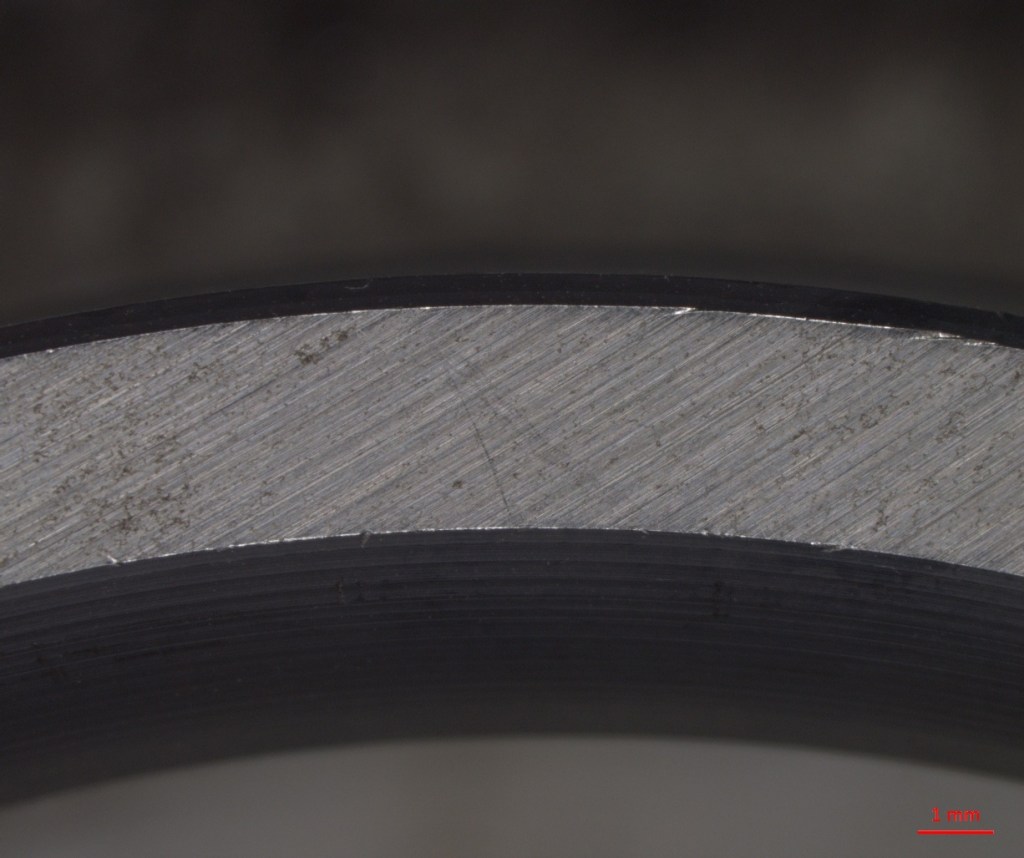
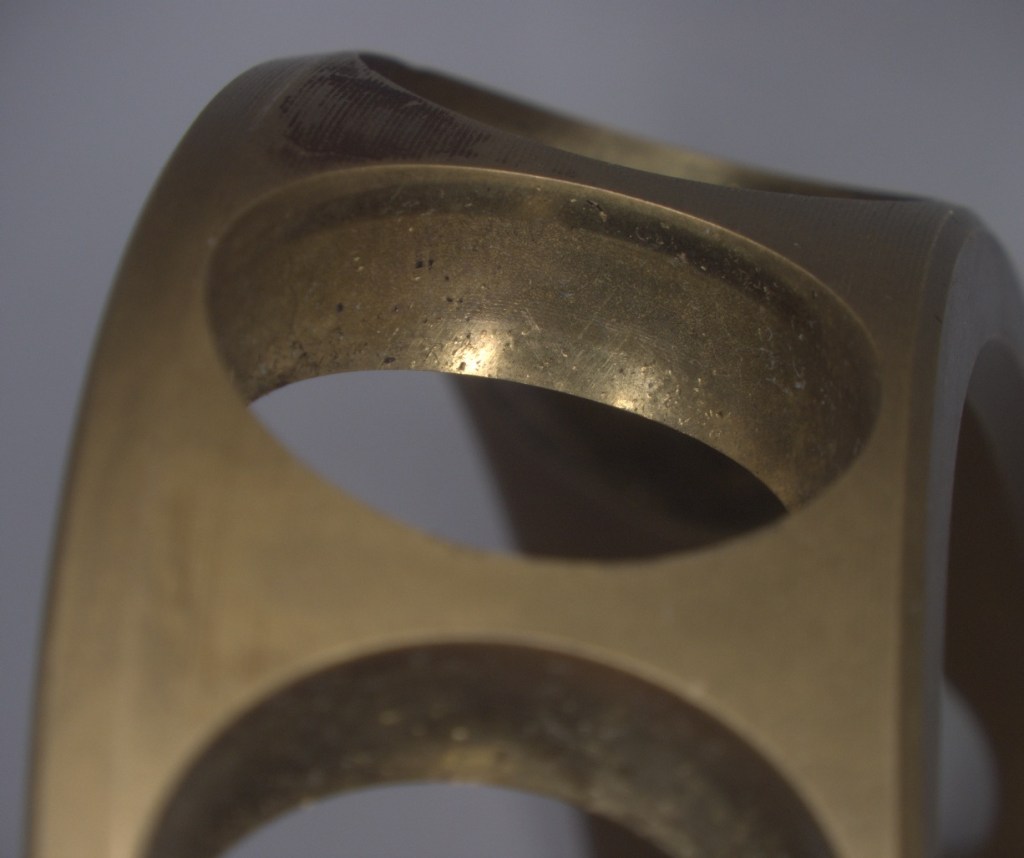
Failure Photos